

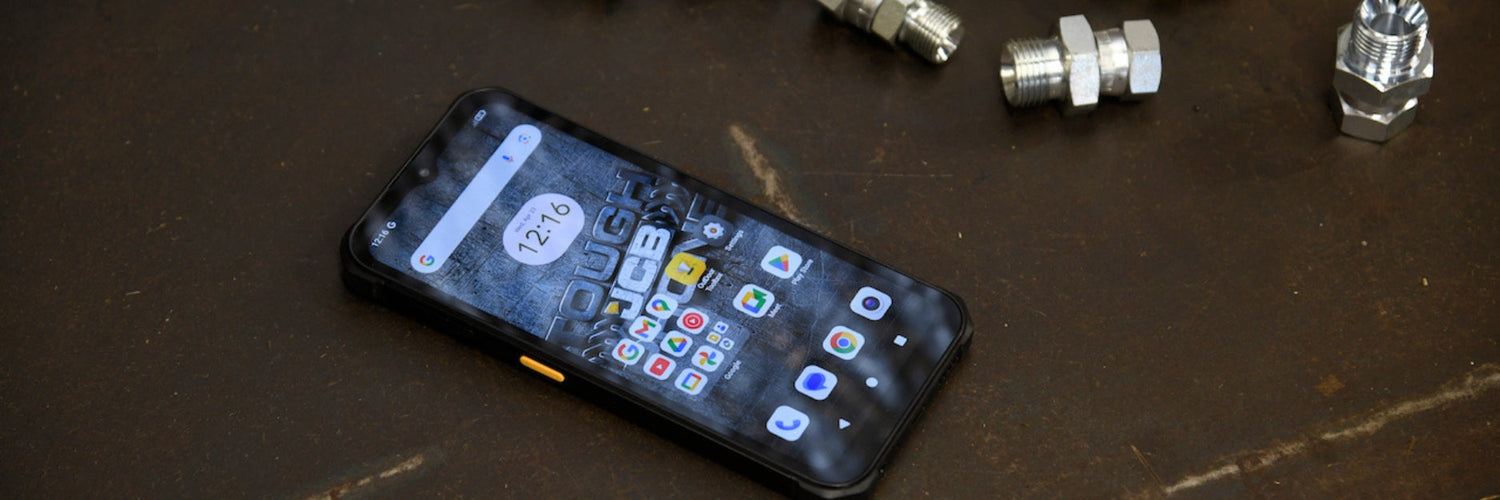
Most modern smartphones are impressive pieces of engineering, but they are built for offices, cafés and commutes. For professionals in construction, agriculture, logistics and emergency services, a glossy consumer device is often a liability. When a phone hits a concrete slab or drops into a muddy puddle, the cost is more than a cracked screen. It’s lost communication, lost momentum and lost productivity.
A truly rugged phone is not a standard device wrapped in a bulky case. It is engineered from the inside out to survive and perform in the environments where real work happens.
Rugged vs Standard: The Value for Key Verticals
1. Built for the Drop, Not the Desk
Standard phones use delicate glass backs and slim frames that fail on first impact. Rugged devices are MIL-SPEC tested and designed to survive repeated drops onto hard surfaces. On construction sites and in engineering environments, where equipment is handled with gloves and often at height, this durability is the difference between keeping the job moving or losing a day to repairs.
2. Total Ingress Protection for All Seasons
Dust, mud and heavy rain quickly defeat consumer electronics. While many modern phones offer basic water resistance, rugged devices deliver full IP68 and IP69K protection. They withstand high-pressure washdowns and hours in silt-heavy conditions. For farmers and outdoor technicians, it means your phone keeps working in the rain, the cold and the dirt, just like you do.
3. Screens That Work With Work Gear
Try using a standard touchscreen with wet hands or gloves and it becomes unreliable. Rugged phones use glove-friendly displays and wet-finger tracking so site managers can sign off deliveries, check plans or update job sheets without removing PPE.
4. Battery Life That Outlasts the Shift
Consumer batteries are designed for office days and coffee breaks. Field teams do not always have access to power. Rugged devices use high-capacity batteries that support long-range connectivity and all-day use in remote areas. For lone workers and emergency personnel, staying powered is not optional.
5. Utility Features Built In, Not Bolted On
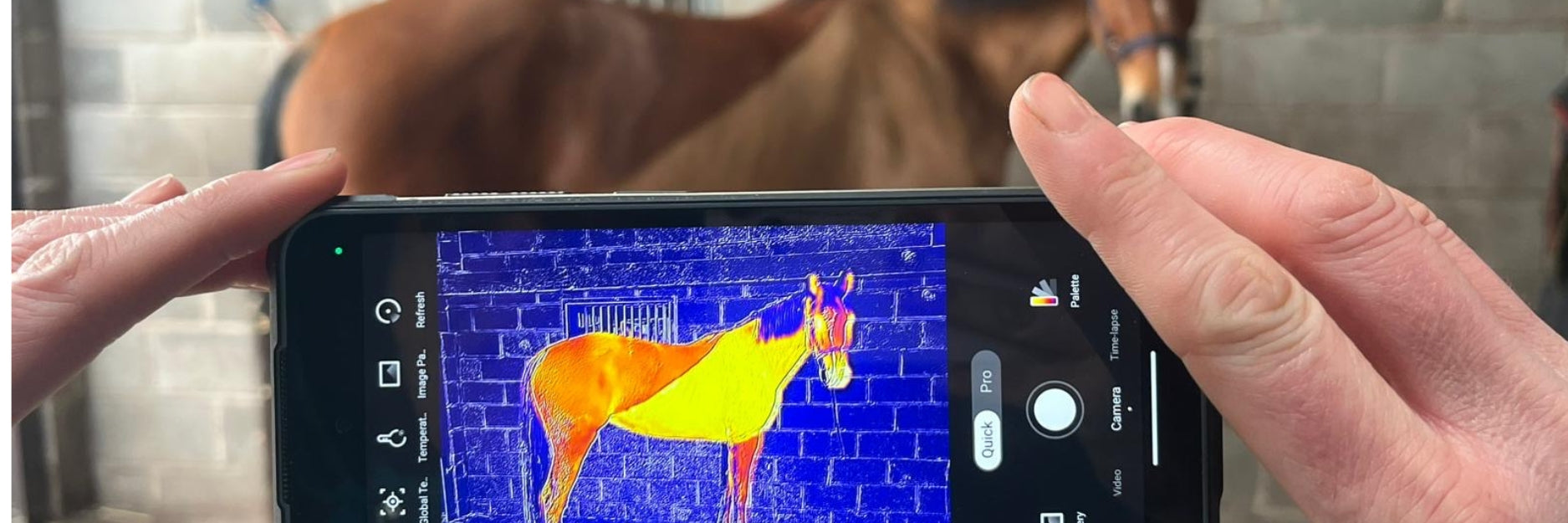
Standard phones need external dongles, torches or add-ons for specialist tasks. Rugged devices often integrate high-power LED lights, programmable keys for Push-to-Talk, thermal or night vision cameras and loud front-facing speakers. It is one reliable tool that replaces a bag full of accessories.
Reliability You Can Trust
The JCB Toughphone range is built for the environments where standard smartphones simply cannot cope. Every device in the line-up is engineered with high-impact materials, long-life batteries, glove-friendly touchscreens and ingress protection that keeps working long after consumer tech has given up.
From lightweight all-rounders to specialist models with features such as night vision or thermal imaging, the Toughphone range provides the right tool for every type of field professional. Whether you are on a construction site, working remote farmland, managing logistics or responding to emergencies, there is a JCB Toughphone built for your job and your conditions.
A JCB Toughphone is an asset. Built to be reliable, durable and genuinely field ready, it keeps communication, documentation and safety running, whatever the environment.


Leave a comment
This site is protected by hCaptcha and the hCaptcha Privacy Policy and Terms of Service apply.